
Where should a porta potty go on a job site or event lot?
Pick flat, stable ground first. A standard unit runs about 44 by 48 inches on the ground and stands 92 inches tall, so give it a footprint clear of tree limbs and power lines. ADA Standards section 302.1 calls for stable, firm, slip resistant surfaces, which rules out loose gravel or soft turf that shifts under 799 units' worth of foot traffic. If you are placing an ADA accessible porta potty, ADA Standards section 304.3.1 requires a 60 inch turning circle in front of the door, and section 404.2.3 sets a 32 inch minimum clear door opening. Keep the unit within reach of a service truck: our crews need a clean path in, not a maze of parked equipment or fencing. If you are running temporary fence rental around a Norman construction site, leave a gate wide enough for the truck and set the units inside that gate line, not outside it where the public can wander in. For multi-unit setups, ADA Standards section 213.2 requires at least 5 percent of clustered single-user units to be accessible, never fewer than one, so plan your ADA unit into the cluster from the start rather than as an afterthought.
What are the porta potty placement rules for construction sites?
OSHA 1926.51(c) sets the ratio that drives how many units you place and where: one toilet facility for 20 workers or fewer, then one seat and one urinal per 40 workers as headcount climbs, dropping to one per 50 once you pass 200 on site. Distance matters as much as count. Spread units across a large Norman job site rather than clustering them all at one corner, so nobody on a construction site services job has a five minute walk. Pair each cluster with a handwashing station rental nearby, since 29 CFR 1910.141(d)(2) requires soap and towels or a hand drying device at wash stations, not sanitizer alone. If your crew is applying paint, coatings, herbicides or insecticides, OSHA 1926.51(f)(1) kicks in and requires washing facilities near that work specifically. Keep barricades around units per OSHA 1926.202 if the site has vehicle traffic, and don't block the access path OSHA 1926.25 expects you to keep clear of debris. For a full breakdown of the ratio math, see our OSHA portable toilet requirements page and how many porta potties do I need for headcount planning.
Do I need a permit to place a porta potty or dumpster in Norman?
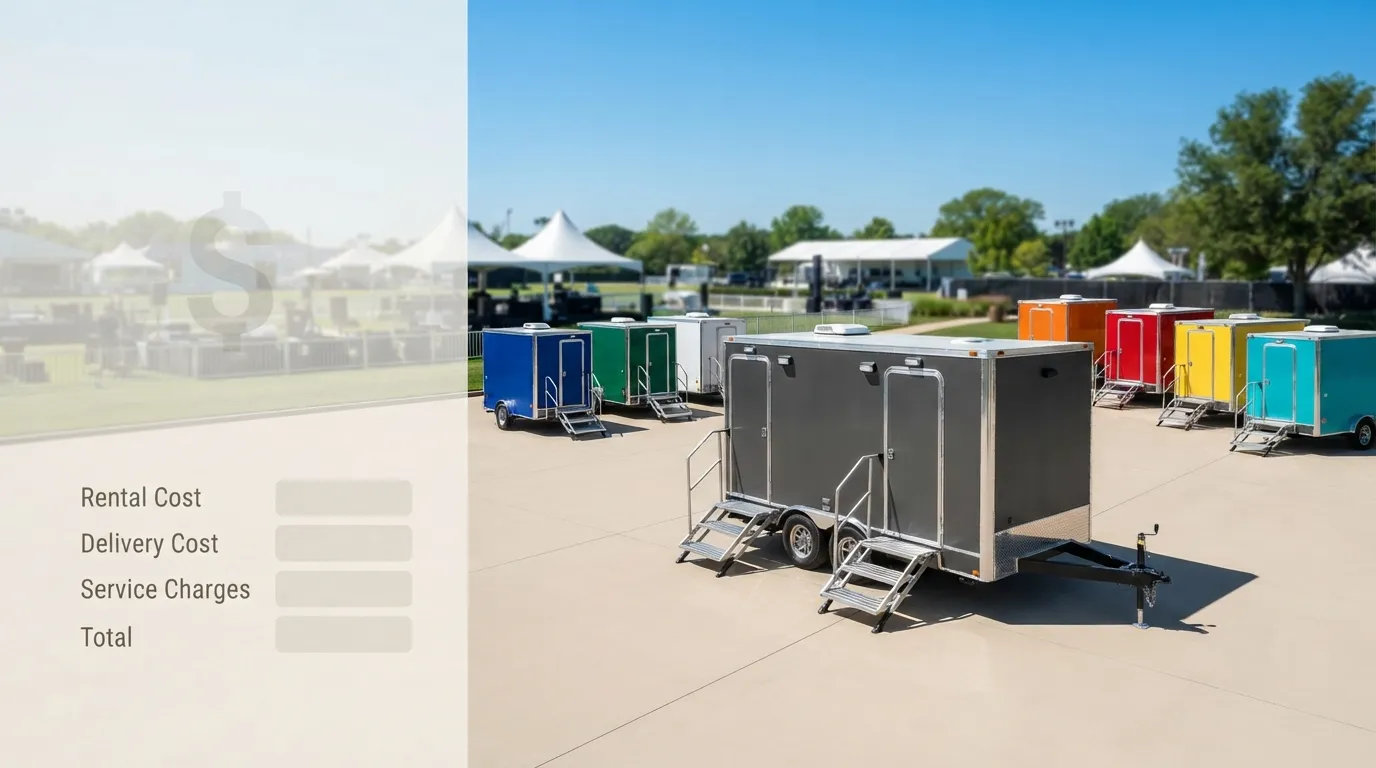
Placement in the public right of way needs confirming with the City of Norman before you set anything at the curb or on a street shoulder. We have not verified a specific dumpster placement permit cost or fee schedule for Norman, so check with the city rather than assume a number. The same holds for a dumpster placement permit if your roll-off dumpster rental needs to sit anywhere near a public street. On private property, set-back rules are looser but the physical requirements stay the same: a 20 yard dumpster rental or larger needs about 60 feet of straight clearance behind the truck for delivery, so measure your driveway or lot before booking. Our dumpster permit requirements page covers what to ask the city, and dumpster weight limits covers what not to overload once it's placed. If you're storing equipment on the same lot, a storage container rental or mobile office trailer rental has its own clearance needs, and older trailers sometimes need mobile office trailer replacement doors before they'll seal properly against weather.

Where should I place a septic or grease trap access point for service?
Leave the access lid clear and reachable, full stop. A residential septic tank in the Norman area is typically pumped every 3 to 5 years depending on tank size and household size, and the truck needs a straight shot to the lid, not a path through landscaping or a locked gate. A grease interceptor gets pumped once fats, oils, grease and solids reach 25 percent of liquid depth, so keep that access point out from under parked cars or stacked pallets. This applies whether you're booking septic pumping service, grease trap pumping, or a one-time septic tank cleaning before a sale. If your Norman property needs interim capacity while a system is repaired, a holding tank rental has to sit on stable ground the same as a porta potty, reachable without backing over a septic field. Watch for septic tank warning signs like slow drains before the tank forces an emergency call. Norman Porta Pros handles both routine and emergency septic service calls, and access matters just as much on a rush job as a scheduled one.
How far in advance should I plan porta potty placement for an event?
Book placement two to three weeks ahead for anything sized like a wedding or festival, longer for a large one. Walk the lot first, mark where the service truck will park, and confirm ground firmness. See event restroom rental or wedding restroom rental for event-specific planning.
Can I place a porta potty on grass or dirt?
Yes, if the ground is firm and level. Soft or sloped turf lets units tip or sink, and service trucks can get stuck after rain. Gravel or a paved pad is safer for standard porta potty rental units placed for a full season.
What replacement parts do portable sinks need most?
Pumps, spigots, and soap dispensers wear out first on any portable handwash unit, Ozark River portable sink replacement parts included. Check our portable sink rental units before booking if a specific brand's parts matter for your event.
Does placement change in winter?
Yes. Ground can freeze, shift, or turn to mud during thaw, all of which affect stability. See porta potty in winter for cold-weather placement notes specific to Norman conditions.
How close does a dumpster need to be to the road?
Close enough for the truck's 60 feet of straight clearance, but set back far enough to clear City of Norman right-of-way rules, which need confirming before delivery. Check dumpster rental cost and permit pages before you finalize a spot.
Next step
Get a delivery date
Tell us the address, the dates and the headcount. We size the order and confirm the route.